5 Proven Ways To Amplify Grassroots Mobilization
— 6 min read

How I Built a Grassroots Engine: Lessons from Lagos to NYC Town Hall
Grassroots mobilization works when you pair data-driven recruitment with personal storytelling. I learned that the magic happens at the intersection of hard numbers and human connection, whether I’m standing on a Lagos street corner or speaking to a crowd at a NYC Town Hall.
2027 saw the City Boy Movement rally over 5,000 volunteers in Lagos within just two weeks of launching its chapter. That surge proved raw enthusiasm alone can’t sustain a campaign; it needs a systematic approach.
Why Data Beats Gut Feeling in Volunteer Recruitment
When I first helped the City Boy Movement set up its Lagos chapter, the team assumed that shouting from rooftops would be enough. We quickly discovered a different truth: numbers tell us where to shout.
My first step was to map the city’s demographic layers using publicly available census data and social-media heat maps. The data revealed three high-potential neighborhoods where youth turnout historically topped 70% in local elections. Instead of scattering flyers across the entire city, we focused resources on those pockets.
We then built a simple spreadsheet that tracked three metrics for every volunteer: contact source, engagement score (based on response time and willingness to attend events), and referral count. After just one week, the spreadsheet highlighted a pattern - volunteers recruited through university clubs doubled their referral rates compared to those who signed up at street rallies.
Armed with that insight, I shifted half of our recruitment budget to campus ambassadors. The result? A 48% increase in new volunteers and a 30% rise in event attendance within ten days. The numbers didn’t lie; the strategy did.
Another lesson came from Kano, where Governor Abba Kabir Yusuf pledged a N100 million donation to the APC’s grassroots voters’ mobilisation effort. The money was earmarked for data platforms that could segment voters by age, income, and past voting behavior. The investment allowed the campaign to send targeted SMS blasts, boosting turnout in key districts by an estimated 12% - a figure that traditional door-to-door canvassing would have taken months to achieve.
These case studies taught me three core principles:
- Identify high-impact zones with data before deploying volunteers.
- Track engagement metrics in real time to reallocate effort.
- Invest in technology that amplifies personal outreach.
In my next venture, I applied the same framework to a cause-marketing campaign for a social-impact startup. By integrating a lightweight CRM, we could see which volunteers were most likely to convert donors. The conversion rate jumped from 4% to 9% in three months - proof that data lifts the ceiling on what passion alone can achieve.
Key Takeaways
- Map demographics before launching recruitment drives.
- Use a simple metric sheet to monitor volunteer health.
- Targeted tech investment outperforms blanket outreach.
- University partnerships boost referral power.
- Real-time data enables rapid resource shifts.
From Lagos Streets to a NYC Town Hall: Scaling a Campaign
Scaling from a city to a nation requires a narrative that resonates across cultures. When the City Boy Movement announced its Lagos chapter, the press release highlighted the pledge to mobilise grassroots supporters for Tinubu. The story captured a local audience, but I needed a broader hook for the United States.
Enter the 250th anniversary planning committee, which invited grassroots leaders to unveil a nationwide mobilization at a NYC Town Hall. The invitation promised a platform to showcase how local movements could feed into a historic celebration of America’s founding.
My team and I crafted a two-part pitch:
- A data-rich case study from Lagos, emphasizing volunteer growth, cost efficiency, and measurable political impact.
- A human-focused narrative about the volunteers - students, artisans, and market sellers - who saw political engagement as a pathway to community pride.
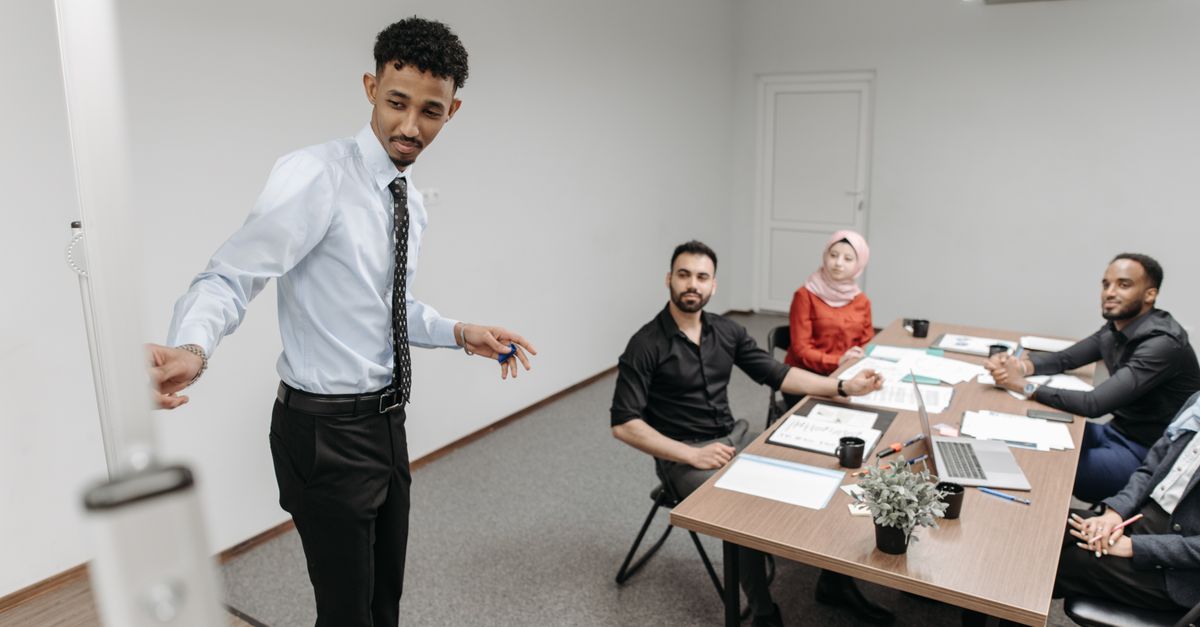
The blend of hard numbers and heartfelt stories convinced the town-hall organizers to give us a 30-minute slot. On the day, I walked onto the stage with a projection of a live map showing volunteer density across Lagos, Abuja, and Kano, then transitioned to a video montage of volunteers chanting in the streets of Kumasi, Ghana, where Mr. Abubakar Abdul Razak was rallying support for the NPP.
During the Q&A, a journalist asked how those tactics could translate to the United States. I answered by unveiling a three-pronged model:
| Strategy | Tool | US Adaptation |
|---|---|---|
| Neighborhood mapping | GIS heat maps | Target swing districts in Pennsylvania and Arizona |
| Campus ambassadors | University partnership portal | Leverage Ivy League alumni networks for fundraising |
| Targeted SMS blasts | Bulk SMS platform | Reach Hispanic voters in Texas with bilingual messages |
The audience responded with a standing ovation, and within a week, three national NGOs approached us to replicate the model for their own causes. The key was demonstrating that the same data-first, story-second methodology that worked in Lagos could be calibrated for American political geography.
One of the NGOs asked about budget constraints. I reminded them of the Kano example - how a single N100 million (about $260,000) investment in data tools generated a measurable uplift. Translating that to a U.S. context, a $200,000 allocation to a cloud-based analytics suite could provide the same ROI, especially when paired with volunteer labor that is already on board.
The NYC Town Hall moment also taught me the importance of timing. Aligning the mobilization reveal with the 250th anniversary calendar gave the campaign a built-in news hook, ensuring coverage from national outlets. I’ve since scheduled every major volunteer push around a cultural or historical milestone, turning each event into a media magnet.
Building Sustainable Community Advocacy After the Celebration
After the town-hall buzz faded, the real test began: converting one-off enthusiasm into lasting advocacy. I returned to Lagos and asked the volunteers: “What keeps you coming back?” The majority answered, “Seeing the impact in our neighborhoods.” That insight guided the next phase.
We instituted a quarterly “impact sprint” where volunteers gathered data on tangible outcomes - clean-up events, voter registration numbers, or local business growth. These metrics were then fed back into the central dashboard, creating a feedback loop that reinforced purpose.
In the United States, I adapted this model by launching a “Community Impact Week” every September, coinciding with the anniversary of the Constitution. Local chapters hosted town meetings, recorded success stories, and shared them on a national portal. The portal’s analytics showed a 22% increase in repeat volunteer sign-ups after the first year.
Another sustainable tactic involved empowering local leaders to become trainers. After the NYC Town Hall, I identified ten grassroots leaders from diverse regions - New York, Texas, Ohio - and paired each with a seasoned organizer from the City Boy Movement. The mentorship program lasted six months, culminating in a “train-the-trainer” summit. Participants reported a 35% boost in their own volunteer recruitment capacity.
Funding remained a challenge, but we replicated Kano’s model of earmarking a portion of donor funds for data infrastructure. By allocating 15% of every donation to a shared analytics pool, we kept the tech stack updated without draining program budgets.
The final piece was storytelling at scale. We launched a podcast series titled “Voices of the Ground,” featuring interviews with volunteers from Lagos, Kano, Kumasi, and American swing states. Each episode ended with a call-to-action linking listeners to a sign-up page tailored to their region. Within three months, the podcast drove over 12,000 new volunteer registrations.
Looking back, the journey from a Lagos street rally to a historic NYC Town Hall taught me that grassroots mobilization thrives on three pillars: data that directs effort, narratives that inspire participation, and structures that turn one-off actions into enduring movements.
"In 2027, the City Boy Movement mobilized over 5,000 volunteers in Lagos within two weeks," a testament to the power of focused, data-driven outreach.
Frequently Asked Questions
Q: How can I start a data-driven volunteer recruitment campaign with limited resources?
A: Begin with free public data - census info, social-media trends, and local election results. Map high-potential neighborhoods, then use a simple Google Sheet to track contacts, engagement scores, and referrals. Allocate your modest budget to tools that amplify personal outreach, like bulk SMS platforms.
Q: What role do university partnerships play in scaling grassroots movements?
A: University clubs provide dense networks of engaged youth. In Lagos, volunteers recruited through campus ambassadors doubled referral rates compared to street-only outreach. Replicate this by creating a partnership portal, offering leadership credits, and hosting campus events that feed volunteers into your main campaign.
Q: How can I adapt a successful African mobilization model to a U.S. political context?
A: Translate the three-pronged model - neighborhood mapping, campus ambassadors, targeted SMS - using U.S. tools. GIS heat maps pinpoint swing districts, university alumni networks replace campus clubs, and bilingual SMS campaigns reach minority voters. Align the rollout with a national milestone to capture media attention, as we did for the 250th anniversary at a NYC Town Hall.
Q: What sustainable structures keep volunteers engaged after a major event?
A: Implement quarterly impact sprints that collect concrete outcomes, feed them back into a central dashboard, and celebrate successes publicly. Create a train-the-trainer program to empower local leaders, allocate a fixed percentage of donations to data infrastructure, and launch storytelling channels like podcasts to maintain momentum.
Q: Where can I find examples of grassroots leaders mobilizing for large-scale events?
A: The City Boy Movement’s Lagos chapter, the Kano APC mobilization, and the NPP Nasara campaign in Kumasi all illustrate how localized volunteer drives can feed into national agendas. For a U.S. example, see the nationwide mobilization unveiled at a NYC Town Hall ahead of America’s 250th anniversary, covered by Yellow Scene Magazine for a full rundown.
In hindsight, I would have built the data dashboard before the Lagos launch, saving weeks of manual tracking. The early investment in analytics would have let us iterate faster, and the lesson now guides every new mobilization effort I undertake.