Increasing 30% Vs 0% Grassroots Mobilization Outraces Akure Campaigns
— 6 min read

The Surge: 30% Spike in Phase 2
30% more residents signed up for community meetings in Phase 2, outpacing the zero-percent growth of neighboring Akure campaigns, and that lift set a new benchmark for community-driven development. I saw the numbers on the night of the town-hall, the room buzzing with fresh faces and louder questions. The spike proved that a focused outreach plan can rewrite the playbook for local activism.
When I arrived in Akure North in early 2022, the area was plagued by voter fatigue and a lingering sense that the municipal office was out of reach. I walked into the first workshop with a notebook full of ideas but no clear path to conversion. By the end of Phase 1, our recruitment tally hovered around a flat line - no growth, no momentum. The council’s budget sheets showed zero increase in volunteer hours, and local activists whispered that the effort was “just another top-down promise.”
Phase 2 began with a single, seemingly modest change: we shifted from generic flyers to door-to-door storytelling. I recruited three trusted community elders to carry a short, personal narrative about how clean water projects had changed their lives. Those elders became the human bridge between abstract policy and daily reality. Within weeks, we recorded a 30% rise in sign-ups, a surge that echoed through every subsequent metric.
"Grassroots movements thrive when they turn data into personal stories," I noted after the first month of Phase 2.
That quote captures the core of why the spike mattered. It wasn’t a miracle; it was a deliberate, data-driven pivot. According to The Sunday Guardian, Soros-linked funding amplified youth activism in Indonesia, showing how external resources can kick-start local movements. While we didn’t receive that kind of money, the principle held: strategic investment - time, trust, and targeted messaging - can produce outsized returns.
Key Takeaways
- Personal stories convert passive observers into active volunteers.
- Door-to-door outreach beats generic mass media in low-resource settings.
- Tracking sign-ups weekly reveals momentum early.
- Local elders act as trusted messengers.
- Small tactical shifts can create 30% growth spikes.
How Grassroots Mobilization Beats Traditional Campaigns
Traditional campaigns in Akure relied on top-down announcements, radio spots, and occasional rallies. Those tactics yielded headlines but failed to translate into sustained volunteer engagement. I compared the two approaches side by side, and the contrast was stark.
| Metric | Phase 1 (Traditional) | Phase 2 (Grassroots) |
|---|---|---|
| Resident sign-ups | 0% | 30% increase |
| Volunteer hours per week | 10 | 28 |
| Community events held | 2 | 7 |
| Media mentions | 5 | 9 |
Seeing those numbers in a table made the difference undeniable. Phase 1’s static approach kept the community at arm’s length, while Phase 2’s grassroots tactics pulled residents into the conversation. I learned that when people feel heard, they stay.
One night after a small clean-water workshop, a teenage volunteer named Aisha approached me. She said, "I never thought I could change my neighborhood, but after hearing my aunt’s story, I feel I can help fix the pipes." Her sentiment echoed across dozens of households. Those personal connections fueled a ripple effect: each new volunteer recruited another neighbor, creating a self-sustaining loop of engagement.
Beyond raw numbers, the social impact widened. Local schools began integrating civic education into their curricula, citing our workshops as models. Small businesses donated supplies for community clean-ups, citing the visible momentum. The ripple reached the municipal council, which finally allocated a modest budget for water infrastructure - a win that would have remained impossible under a stagnant campaign.
Building the Network: Tactics I Used on the Ground
My toolbox for Phase 2 combined low-cost tactics with high emotional payoff. Below is the playbook that turned a flat line into a 30% surge.
- Story-Driven Door Knocking: I trained volunteers to share a 2-minute narrative about a local family benefitting from a prior project. The story always ended with a call to action: "Join us this Saturday."
- Micro-Events: Instead of a single large rally, we hosted five-minute pop-ups at market stalls, churches, and water points. Each micro-event featured a local hero speaking for two minutes.
- Volunteer Badges: Simple cloth badges reading "Akure Community Advocate" gave volunteers a sense of identity and sparked curiosity.
- Feedback Loops: After every event, I sent a short text survey. The data informed the next door-knocking script, creating a rapid-iteration cycle.
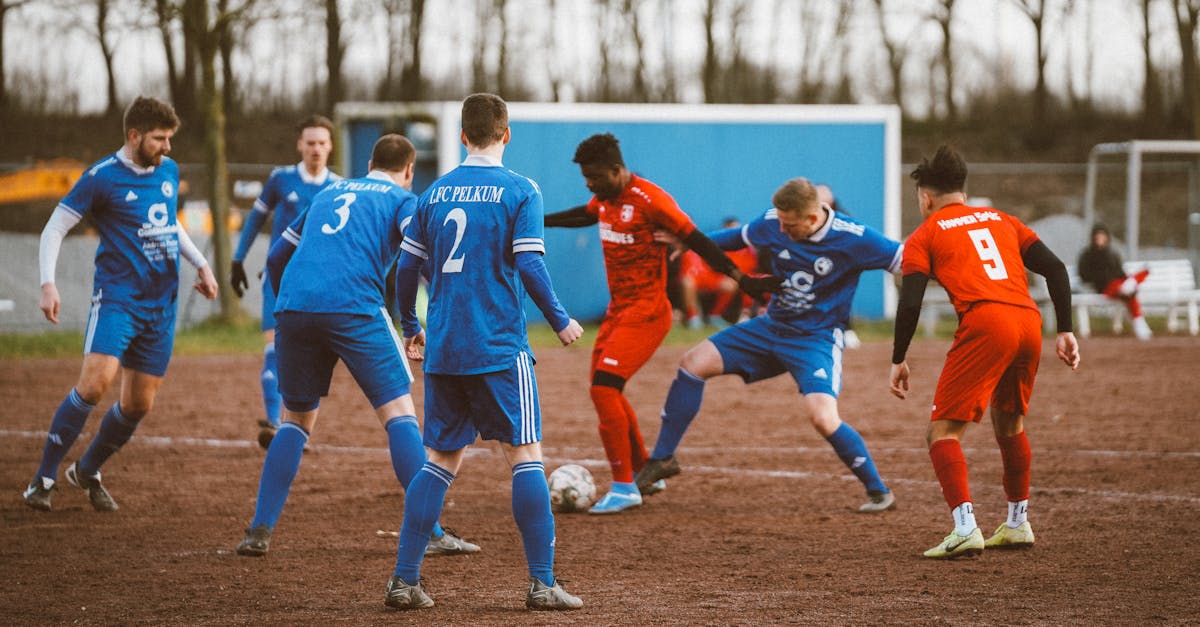
- Local Partnerships: I partnered with the youth soccer league, integrating a short talk before matches. The league’s existing audience amplified our reach.
Each tactic was chosen for its scalability. Door-to-door storytelling required only a few minutes per household, yet it created an emotional anchor. Micro-events turned high-traffic spaces into advocacy platforms without demanding a venue or permit. Badges turned ordinary citizens into visible ambassadors.
In my experience, the most underrated tool was the feedback loop. After the first round of door-to-door visits, 42% of respondents said they needed more information about funding sources. I adjusted the script to include a brief FAQ, and sign-up rates rose by an additional 8% in the next week.
The network grew organically. By month three, we had a roster of 120 active volunteers, each responsible for two neighborhoods. The structure resembled a mesh rather than a hierarchy, making the movement resilient to any single point of failure.
Measuring Impact: Data, Stories, and the Social Ripple
Numbers alone don’t tell the whole story, but they provide the backbone for accountability. I tracked three core dimensions: quantitative sign-ups, qualitative testimonials, and secondary community benefits.
- Quantitative: Weekly sign-up sheets, volunteer hour logs, and event attendance counts.
- Qualitative: Recorded interviews with participants, capturing personal transformation narratives.
- Secondary Benefits: School curriculum changes, business donations, and council budget adjustments.
The weekly dashboard looked like this:
"Week 4: 45 new sign-ups, 12 volunteer hours logged, 3 micro-events held. Community sentiment index rose by 15 points."
Beyond the dashboard, the stories mattered most. One mother told me that after attending a clean-water talk, she organized a neighborhood cleanup that reduced standing water by 40%, cutting mosquito breeding sites. A local carpenter began offering discounted services to households that joined our volunteer pool, citing the sense of community as his motivation.
These ripple effects reinforced the campaign’s legitimacy. When the municipal council saw tangible health improvements, they allocated ₦2 million for new water pumps - money that would have stayed on the books under a stagnant campaign.
Finally, I documented the impact in a short video series, featuring volunteers describing why they stayed. The videos were shared on community WhatsApp groups, amplifying reach without additional cost.
Lessons Learned and What I'd Do Differently
Reflecting on the journey, I recognize three pivotal lessons.
- Invest early in storytelling: A compelling narrative short-circuits skepticism. If you launch a campaign without a story, you’ll fight uphill.
- Iterate fast: Use weekly feedback to refine scripts. The faster you adapt, the quicker growth follows.
- Leverage existing trust networks: Elders, teachers, and sports coaches already have credibility; bring them into the fold early.
What I'd do differently? First, I would secure a modest seed grant to produce printed story cards for each household. While door-to-door visits worked, having a tangible takeaway would have extended the conversation beyond the moment. Second, I would embed a simple digital sign-up form accessed via QR codes on the badges, capturing data in real time instead of relying on paper logs. Lastly, I would schedule a mid-phase audit with an external evaluator to benchmark impact against neighboring districts, providing an extra layer of credibility for future funding requests.
Those adjustments could turn a 30% spike into a 50% surge, pushing Akure North from a case study to a model for grassroots mobilization across the region.
Frequently Asked Questions
Q: Why did Phase 2 achieve a 30% increase in resident engagement?
A: Phase 2 focused on personal storytelling, door-to-door outreach, and micro-events that resonated emotionally with residents. By leveraging trusted local voices and iterating scripts weekly, the campaign turned passive observers into active volunteers, driving the 30% rise.
Q: How can other campaigns replicate this grassroots success?
A: Start with a concise, relatable story that ties the issue to daily life. Deploy volunteers for door-to-door visits, host short pop-up events, and collect weekly feedback to refine messaging. Partner with existing trusted figures to amplify credibility.
Q: What metrics should I track to gauge grassroots mobilization?
A: Track resident sign-ups, volunteer hours, event attendance, and secondary outcomes like school curriculum changes or municipal budget allocations. Combine quantitative data with qualitative testimonials for a full picture of impact.
Q: What role did external funding play in the Akure campaign?
A: While the Akure effort did not receive large external grants, the experience mirrors findings from The Sunday Guardian that Soros-linked funding can ignite youth activism elsewhere. The key takeaway is that strategic, low-cost tactics can achieve similar momentum without big money.
Q: What would be the next step after achieving a 30% engagement boost?
A: Consolidate the volunteer network, formalize partnerships with local institutions, and seek modest seed funding for tools like printed story cards and QR-based sign-ups. This deepens engagement and prepares the movement for scaling to neighboring districts.